A Nautical Nomad

Thursday 6 November 2025

Med and Adriatic trip 24 October to 7 November 2025

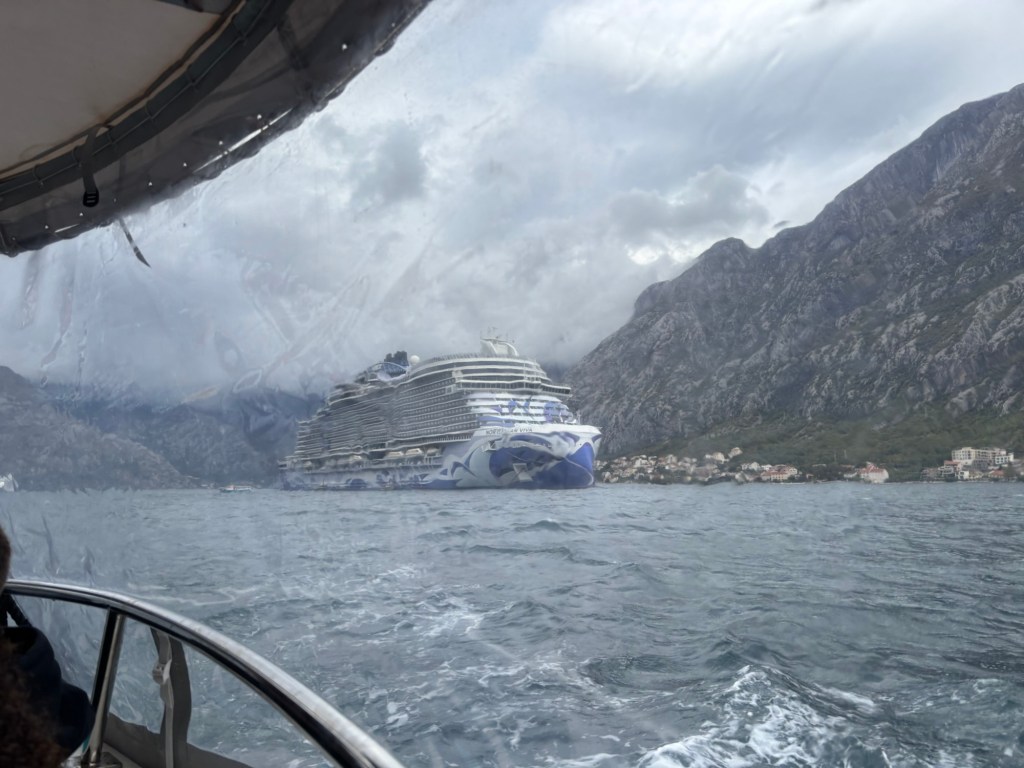
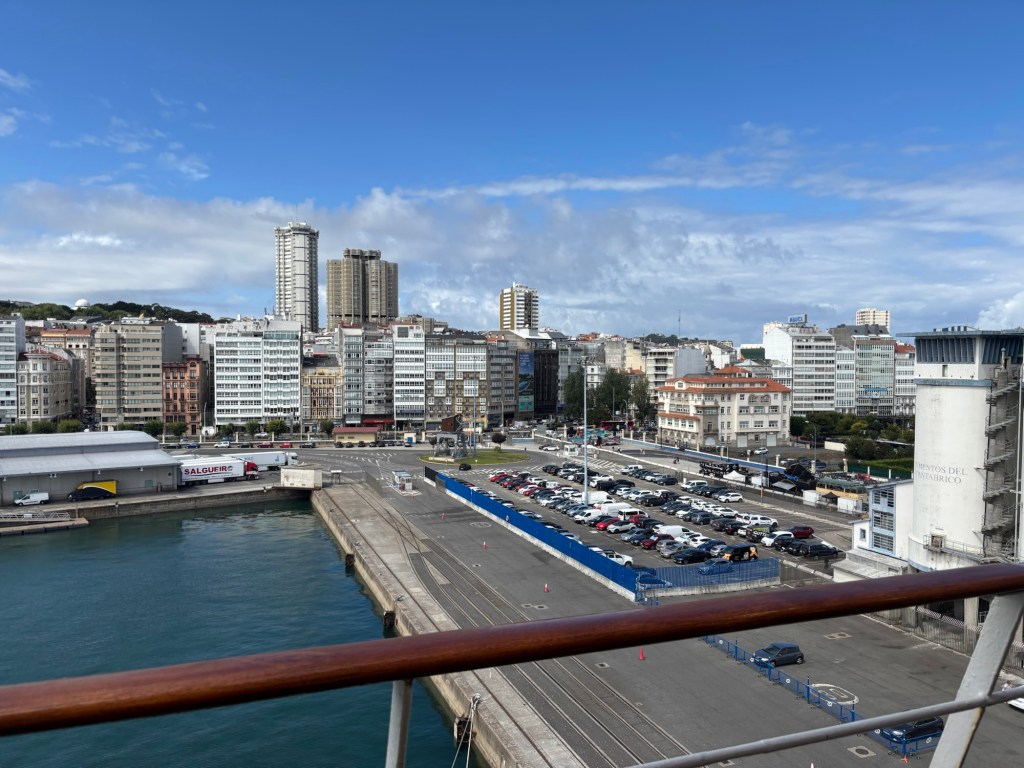
Well last day of the cruise and the ship docked this morning in Zadar , Croatia. I chose not to take any of the transport options to the old town and instead decided to walk into the nearby town to steer clear of the tourists traps.

Well you know what they say
about the best laid plans of mice and men. Well, it’s true.

So instead of a canny walk and a chance to have a morning coffee it turned into a trek through a spread out suburban area without much signs of life and certainly, no coffee shops.

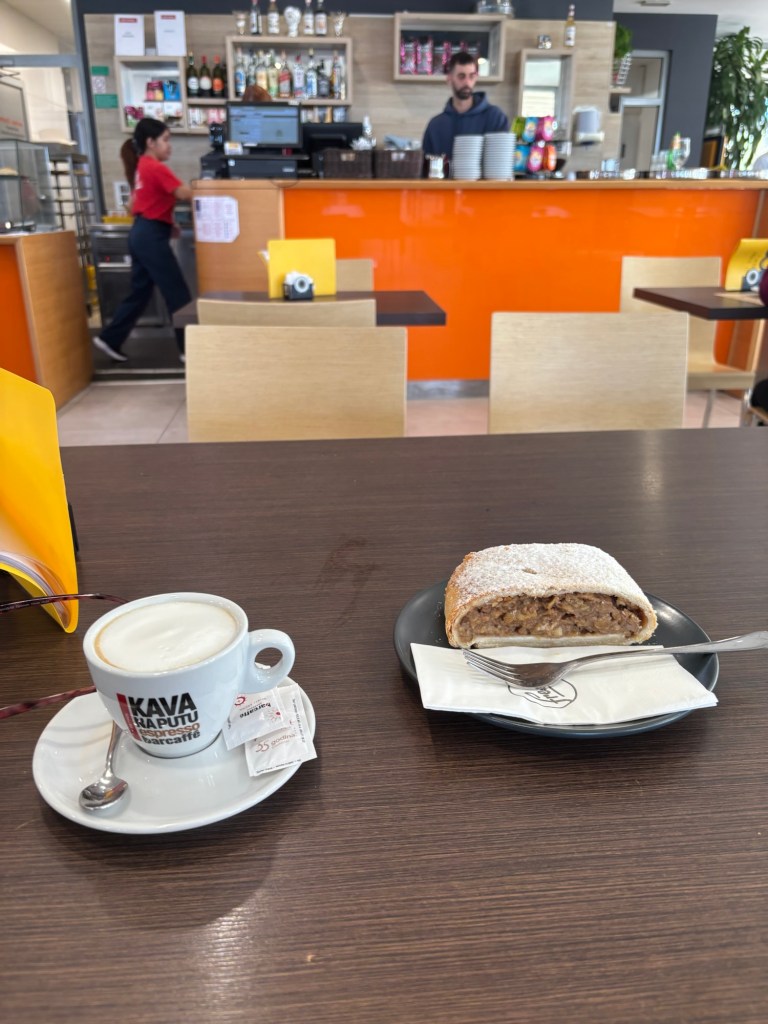
So here I am back near the ship
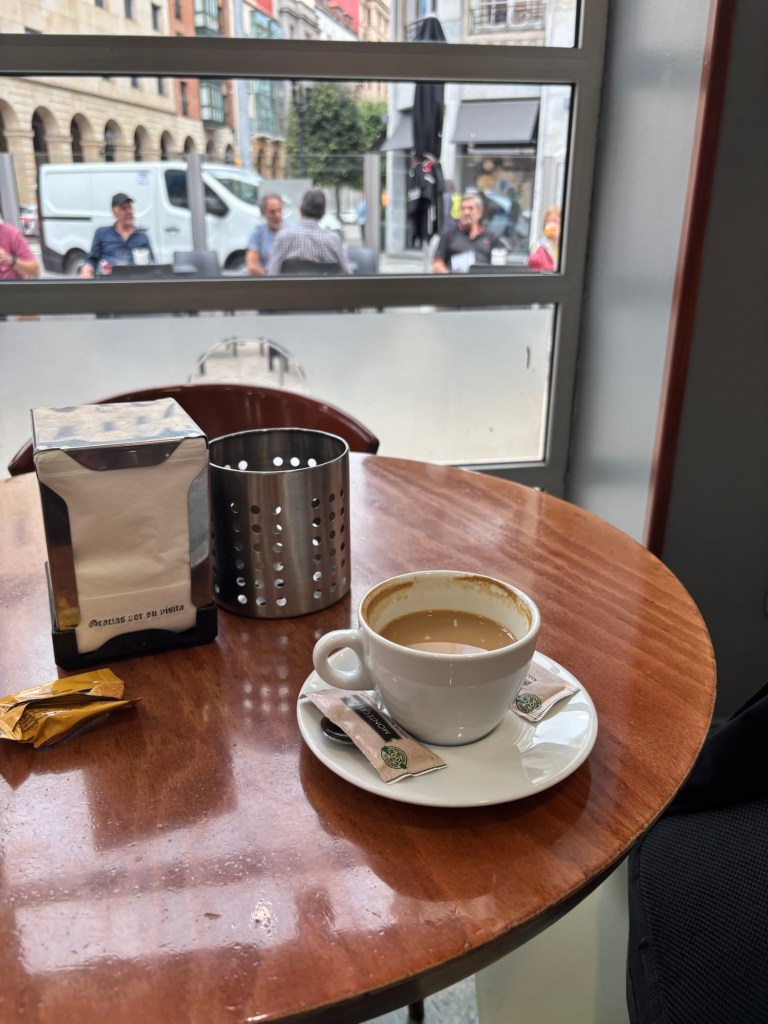
Having a coffee in the place I walked past on my way to the Zombie Apocalypse. Having had the benefit of a four mile walk.

Like most of my trips abroad, it always gets to the point of the going home mode and a reflection of the trip nearing its end.

Overall , the itinerary has been good and most of the places visited well worth the journey there.
As i mentioned yesterday, I do have my reservations regarding the ship and the NCL. Ethos.

One thing I didn’t mention, and to
me, it is very important. As far as I know , most NCL ships have Starbucks franchises.
Now Starbucks contribute
financially in various ways to Israel, a country that is committing genocide against the Palastinian People through various ways including saturation bombing and forced starvation.

I don’t drink Starbucks for two reasons, one, the aforementioned genocide and also because it is not good coffee.

So, this will play a big part in any future cruise plans as being in some small way vicariously complicit in genocide is not one of my favourite pastimes. I will leave that to people like Starmer and the majority of his cabinet who are in the pay of Israeli interests and therefore acting under direct orders from them .

Ok, so I do not normally bring politics into my travel blogs and usually keep that for, The World This Week From Mennies, blog, but as this issue collides with travel, I thought I would mention it.

Ok, so back to the ship and some packing to do, long day tomorrow as I have to be out of the cabin by 7.30 and flight from Venice airport is not until 17.00 with a connection in Heathrow. So should be home by 01.00 on Saturday morning.

So another from my series of words of wisdom -ish : Never be afraid to say what you honestly believe is the right thing to say, and never be afraid of listening, to what someone else believes is the right thing to say. Invariably the actual right thing, is somewhere in between.

Have a good day folks

A Nautical Nomad

Friday 19 September 2025

The tour from hell

Well here I am on day three of my short trip to the islands and I am sitting in the lounge of the Isles Of Barra Hotel, thinking back to the many times I stayed here whilst on the many island tours I once took.

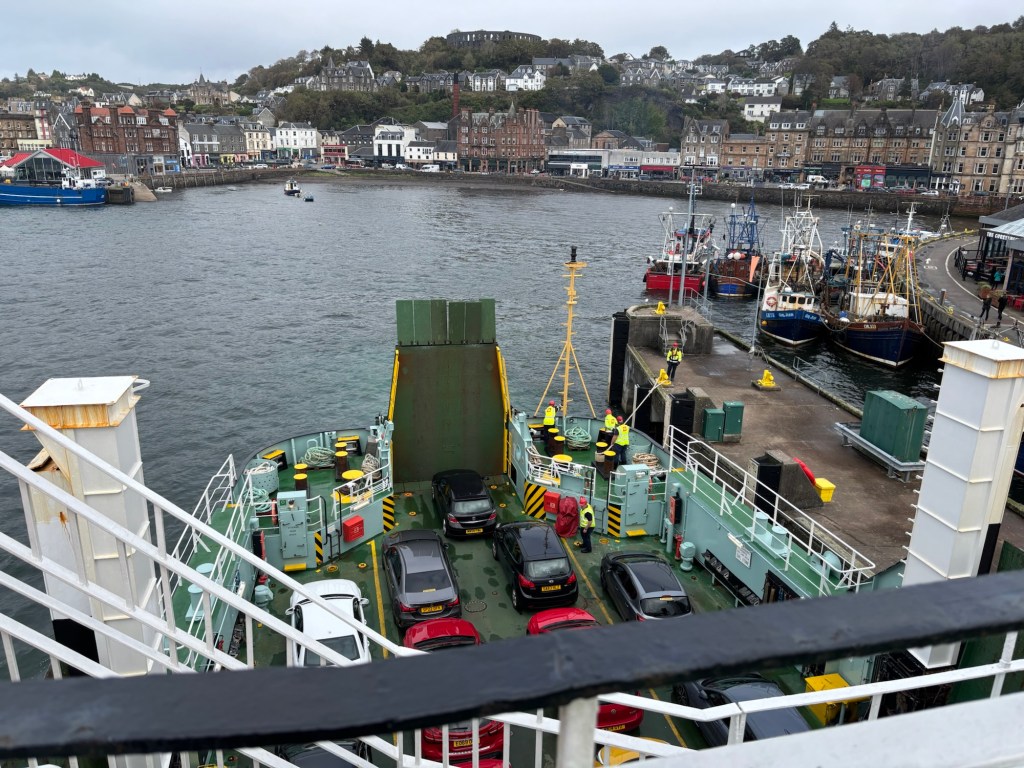
I left Oban yesterday on my re-scheduled ferry trip at 14.00 heading to Loch Boisdale on South Uist. My morning in Oban was spent re-acquainting myself with a place I have visited many times in the past during my touring days, and indulging in some of the best sea food on the planet at one of the dockside stalls.

The trip north westward was uneventful but a wee bit on the rough side, landing, however about 15 minutes early in Loch Boisdale, followed by a short drive to the Polochar hotel on the Southerly coast of South Uist.

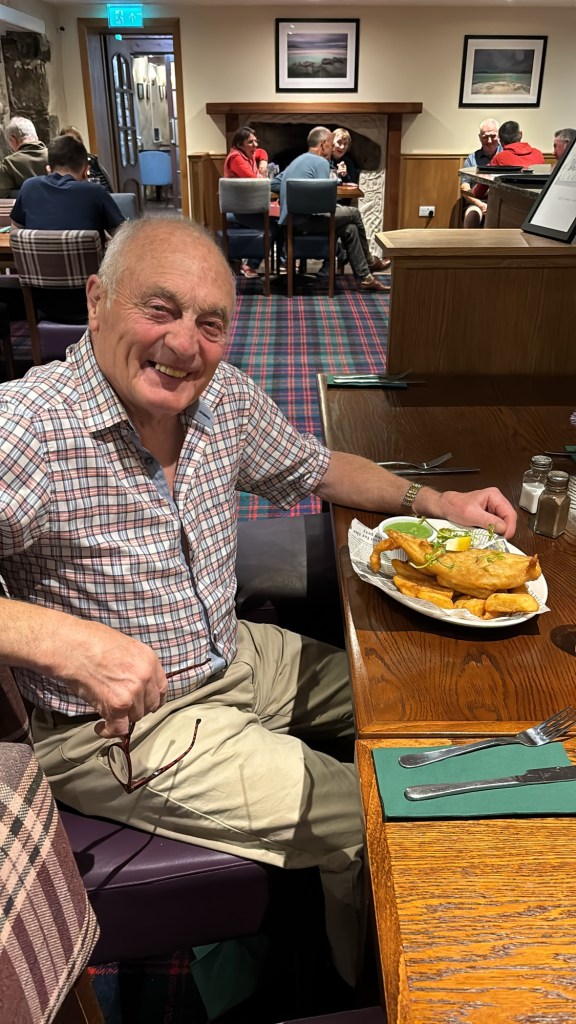
Nice hotel rooms, not large but adequate and the food pretty good.

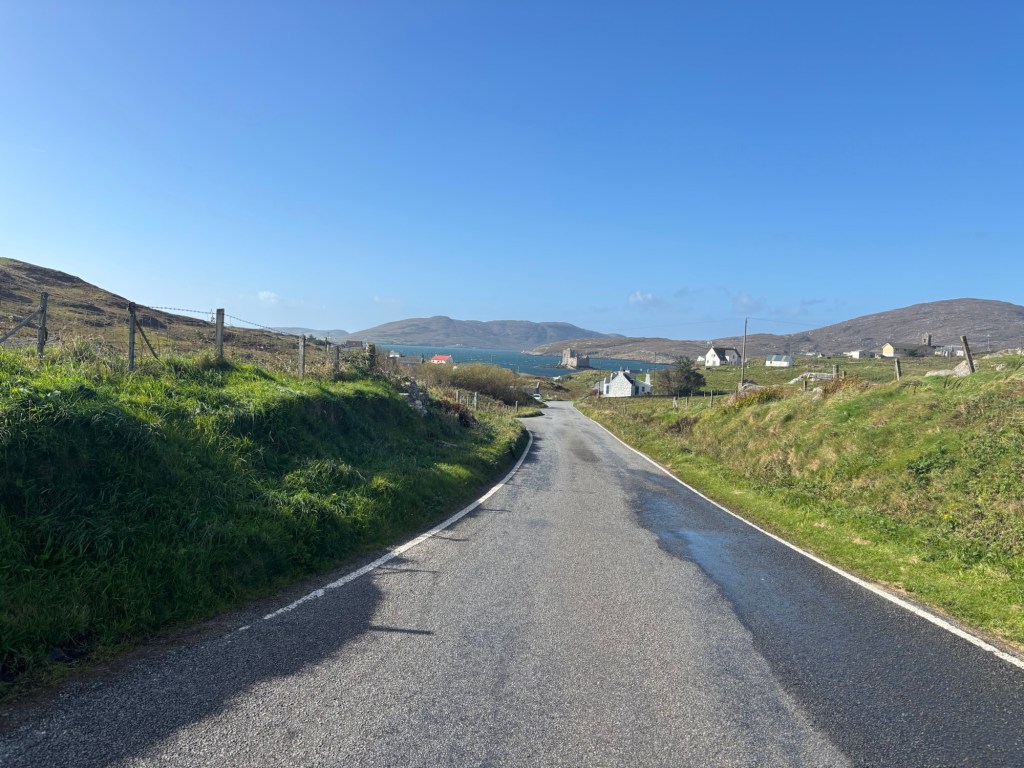
This morning, a short drive to the ferry on the island of Eriskay, accessed by the relatively recently built, causeway. Followed by a pretty rough crossing and a drive through Castlebay and on to the Isles of Barra hotel.

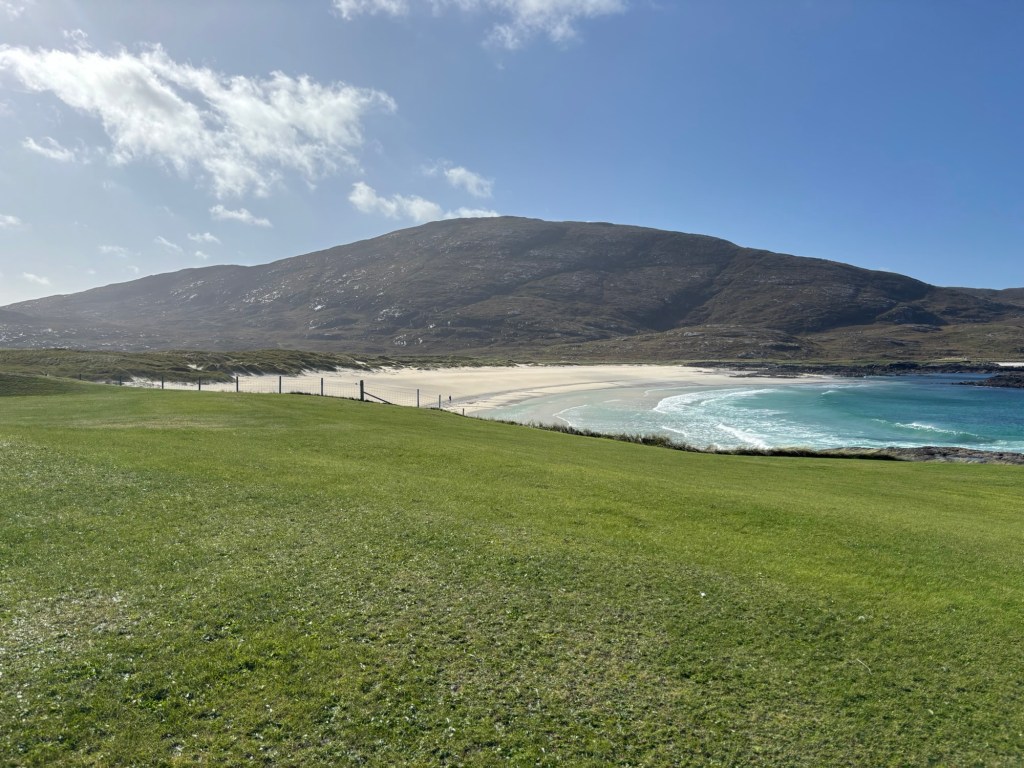
Sitting here looking out on probably one of the prettiest beaches one can imagine, and thinking back to the trips I did to the islands some quarter of a century ago and it came back to me, an experience no tour driver would ever wish to happen.

I think it was around 1997 when I did the tour from hell.

This was a set of tours I caried out for a company called Clansman Monarch, and consisted of meeting a disparate group of people at the bus station in St Andrews square, Edinburgh, and taking them on a driver guided tour which took in the whole archipelago of islands named the Outer Hebrides, and included Lewis, Haris, Bernary, North Uist, Benbecula, South Uist, Barra and Vatersay.

These people came from all parts of the world and first met up at the pick up point in St Andrews Square.

On this particular tour, we headed west having an overnight in Balmacara ( I think, as the first night changed from time to time) The next day we headed over to Skye and to the west of the island to the Museum of Highland Life, near the ferry terminal of Uig.

Up to this point, everything was going according to plan, but that was about to change. As luck would have it, it started to rain and it was torrential. I got the group into the museum and was about to have a cup of coffee when one of the museum attendants came in and told me that my coach had a puncture.

With a ferry to catch, a puncture is the last thing to be put on an itinerary.

To make matters worst there was a virtual river running under the coach from the down pour which was continuing. I had to crawl under the coach  to place the jack in a suitable place and get the tyre changed. You can image the state I was in after that.

We managed to get to the terminal just in time to catch the ferry heading for Tarbet on Harris with a drive thereafter to Stornoway., where I then had to search for a garage who could repair the tire, eventually managing to get an inside tire from a JCB to suit the purpose.

The next two days were spent going around the places of interest on Lewis, such as the Butt of Lewis, the Callanish standing stones and the broch at Dun Carloway.

The following day was supposed to consist of a trip all the way down the islands with a ferry from Leverbourgh to Bernary and North Uist, and another ferry from Loch Boisdale to Castlebay on Barra.

We reached Leverbourgh to find that the ferry had been delayed and at that time there were no facilities at the pier, not even a representative from Caledonian Mc Brain. I therefore had to make contact with the ferry company head office, and the agents who had booked us. The rest of that day was a long story of shuttling both my group and the people who were waiting on the ferry back and forth to and from the café which was a mile from the pier  to get food which I had persuaded Caladonian Mc Brain to pay for.

However, eventually it became clear that the ferry was not able to continue service and so we had to travel back to Tarbet to take a ferry from there to Skye and from there to North Uist.

By this time it was apparent that we had missed the ferry from South Uist to Barra and there was not another one for several days. The agents arranged a hotel on North Uist which we arrived at about 2 in the morning.

The hotel owner ( who happened to be a lord and owned half the island) happened to be in residence and he and the chef had stayed up all night waiting to check us in. unfortunately, they had been drinking all night and by the time we arrived they were in no condition to even carry a case in, so I told them to stay where they were ( in the bar ) give me the keys and I would get the people to their rooms and the most important thing, to make sure there was a pint of Tenants waiting for me when I had seen to the passengers.  

I tell you, that was the best pint I had tasted for many a year.

So, the next problem was how to get to Barra. Now I knew there was a very small boat went from Ludag in the extreme south of South Uist and I asked the agent to see if there was a possibility of getting us booked on it as foot passengers and I would go in to the ferry terminal at Lochboisdale and try to persuade the guys there to drop us at Ludag, take the coach back to Lochboisdale and put it on the ferry in a couple of days where it was going to Castlebay on Barra. We would then get on the ferry heading to Oban, and everyone would live happily ever after.

The Caledonian McBrayn guys agreed and we were dropped off at Ludag which consisted of a peir, nothing else. The coach was then taken back to Lochboisdale and we waited on the passenger ferry picking bus up, and waited, and waited.

Eventually, it showed up about an hour and a half  late, you can imagine how relieved I was to see it.

The boat had to divert to Erisky to pick some passengers up and when they boarded it was apparent the they were the worse for drink, being on their way to the Barra Fesh ( musical festival) which was on that weekend.

When we arrived on Barra Hector Mc Neil was there with one of his buses which I had arranged to borrow for the days on Barra and we continued the tour as if nothing had happened. When it came to the day to leave and board the ferry I was glad to see that the coach was there  was there waiting for us on the ferry.

After the trip I received a post card from an Australian guy who had been on the trip, it read: “Hi Bob thanks for the adventure trip”  

Leaving Oban
Dinner Pollochar Inn
Eriskay Ferry
Castlebay

A Nautical Nomad

Friday 22 August 2025

Nostalgia

Well, day 7 or 8 of my wee trip arround the coasts of France and Spain. Kind of loose track of time on some of these trips, but I suppose that is part of the purpose of them.

I spend a lot of time when I am away, in my small way, raging at the inequality and injustices that are very prevalent in our world today. And sometimes I find myself in a place where I feel an attachment.

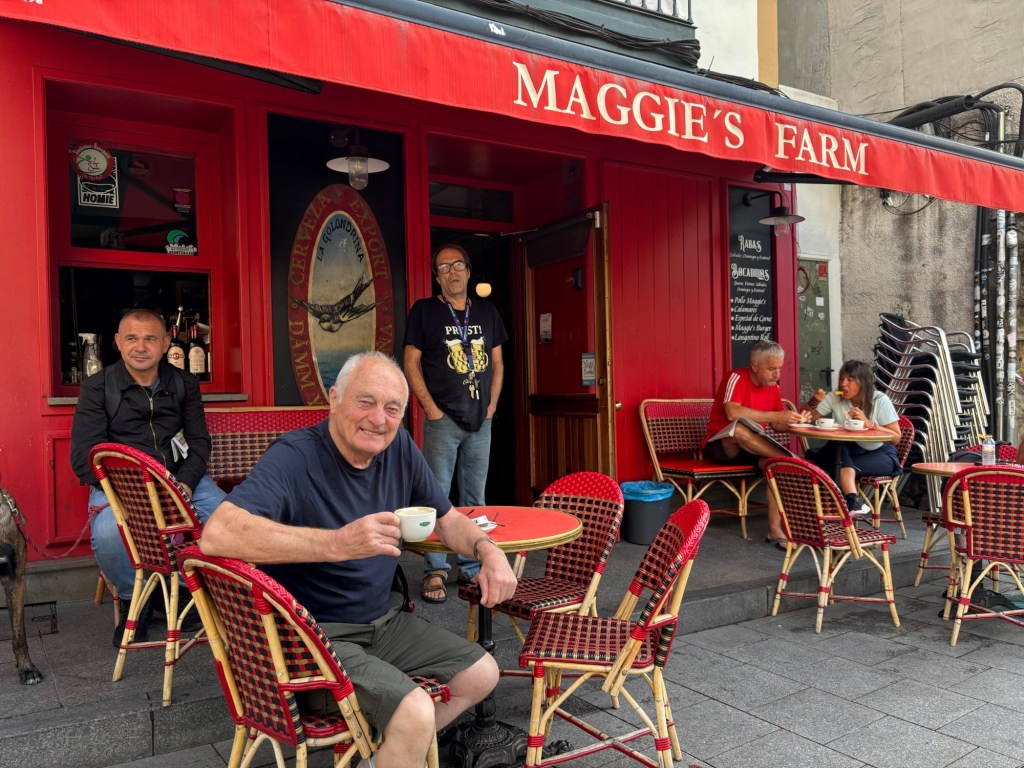
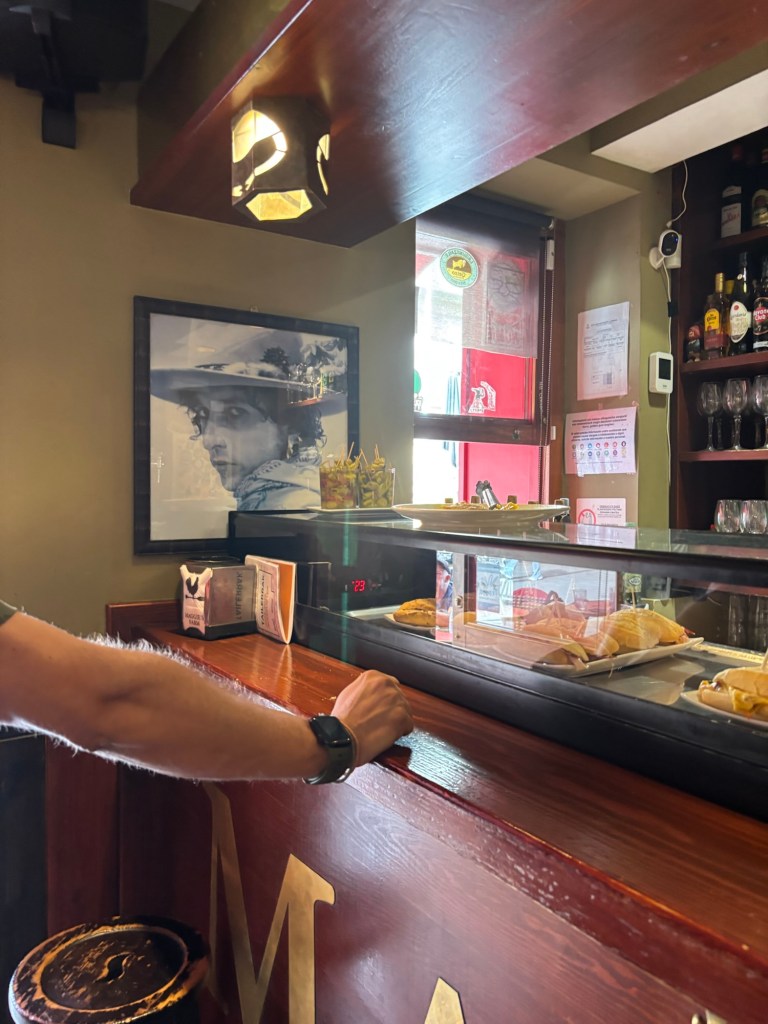
Today is one of these days as I am sitting in Maggie Farm, a small cafe in Getxo in Spain. A place dedicated to one, much more able than I, at raging against the inequalities and corruption very prevalent in western society.

I don’t have many heroes but one of them is Bob Dylan whose songs span many years of highlighting oppression and unjust wars.

One such song is Maggies farm. It is thought that perhaps in this song, Dylan was having thoughts about his transition from acoustic to electric and at the same time highlighting injustices in working conditions on farms in the US.

Whatever his motive was , it was one of his greats, alongside Blowing In The Wind, and The Times They Are A Changing. songs I will always remember from my youth.

So another day, another capachino and remember : War is where young innocents fight and die on behalf of older hypocrites who don’t .

A Nautical Nomad

Thursday 21 August 2025

The Capachino Standard

No matter where I go in the world I try to assess a competitive standard of living with the UK . Now at present I am in Spain and my infallible method of assessment is what I call “ The Capachino Standard”

I compare the price of a capachino in wherever I am, to the price of a capachino in a comparable venue back home in Scotland.

Now, the standard I use back home is the price of a capachino in the likes of Costa or Starbucks , both of which I personally do not use back home because of their connections with the genocidal, terrorist state of Israel and the fact that. Startbucks coffee is shit.

However, both of these organisation sell a capachino for £3.65.
Where I am at present in Spain and in a tourist area ( where prices are generally higher) the price if a capachino is 2 Euros, that is £ 1. 70 in UK money.

Therefore that tells me that our economy is lagging behind the Euro area by about, just less than 50%

This works in about right with the buisness I am involved in which is in the automotive industry which has seen , parts price increases of above 50% , in some cases more than 100%. Since Brexit.

Now, although I was a strident advocate for remaining in the EU in the lead up to the referendum, I have had a serious re- think since, owing to the fact that the countries in the EU and of course Britain have taken crazy and disgusting stances on both Ukraine and Gaza.

Therefore my position now would be to derive the benefits of a very large market without the adhesion to what
Is becoming a failed state with the leaders at present in power in the EU.

My preference for an independent Scotland would be for membership of the EEA ( the European Economic Area)

That way we would derive the benefits without having to abide by stupid policies that the present Circus of clowns who are leading the EU Into.

So, anyway so sum up , I think all future economic standards should henceforth be in keeping with the Capachino directive .

Day 7 of my trip allong the coast of
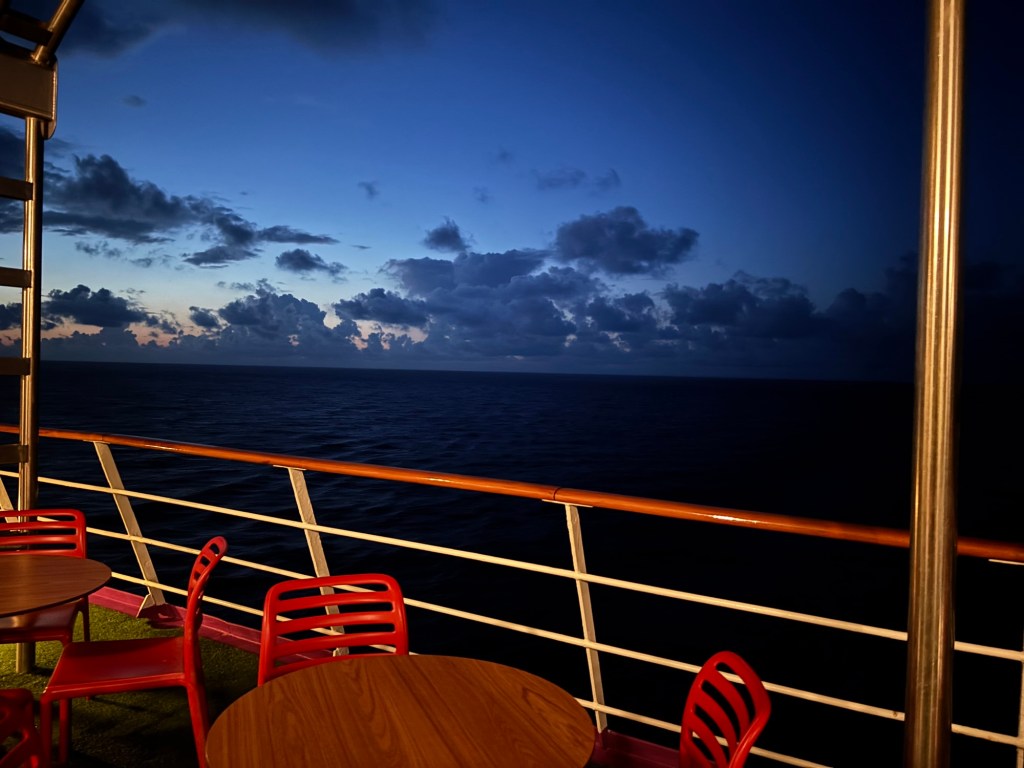
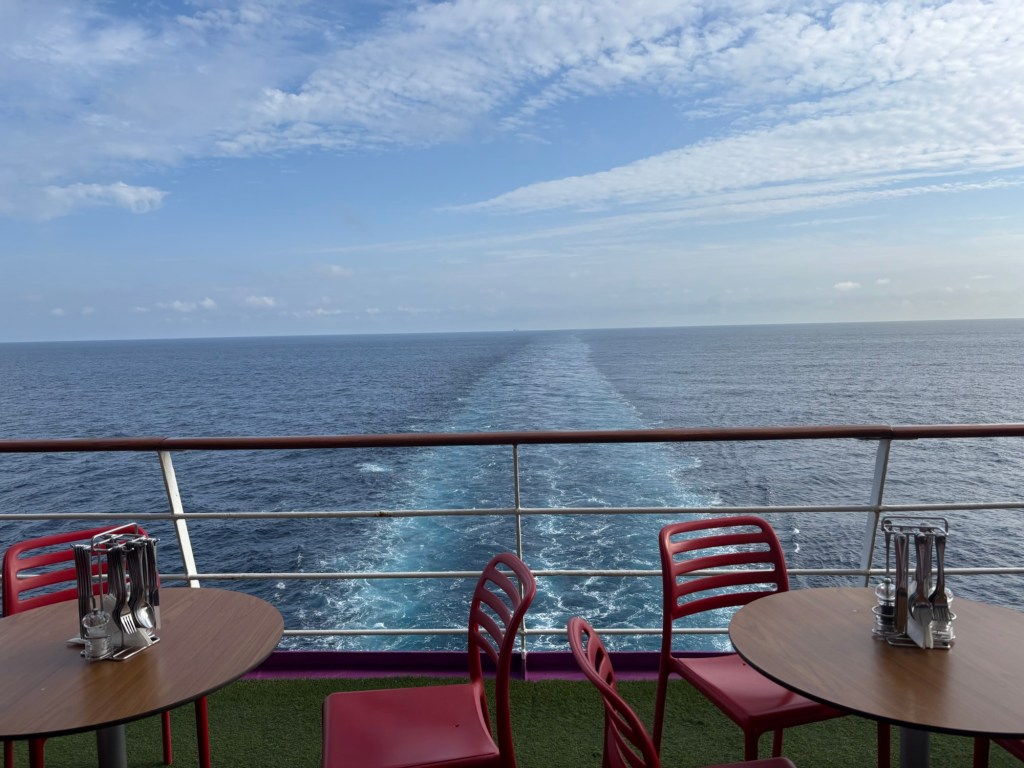
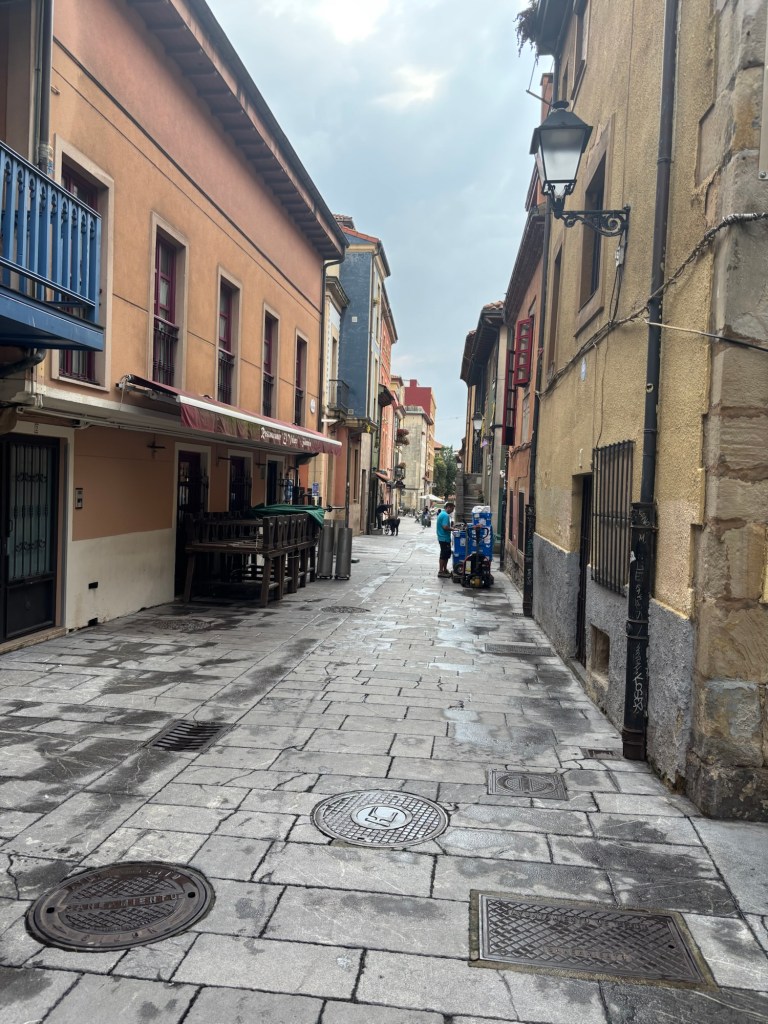
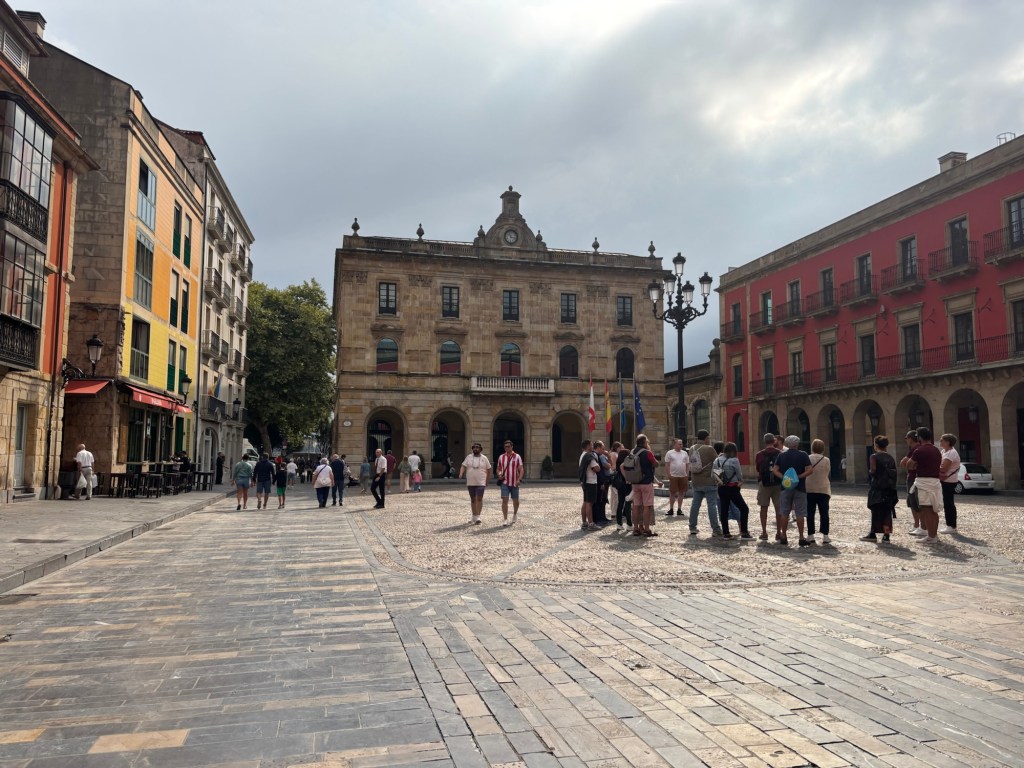
France and Spain and a few photos of the trip which has been made rather pleasant by the nice people at the dinner table.

A Nautical Nomad

Monday 18 August 2025

Ambition cruise 15 August 2025

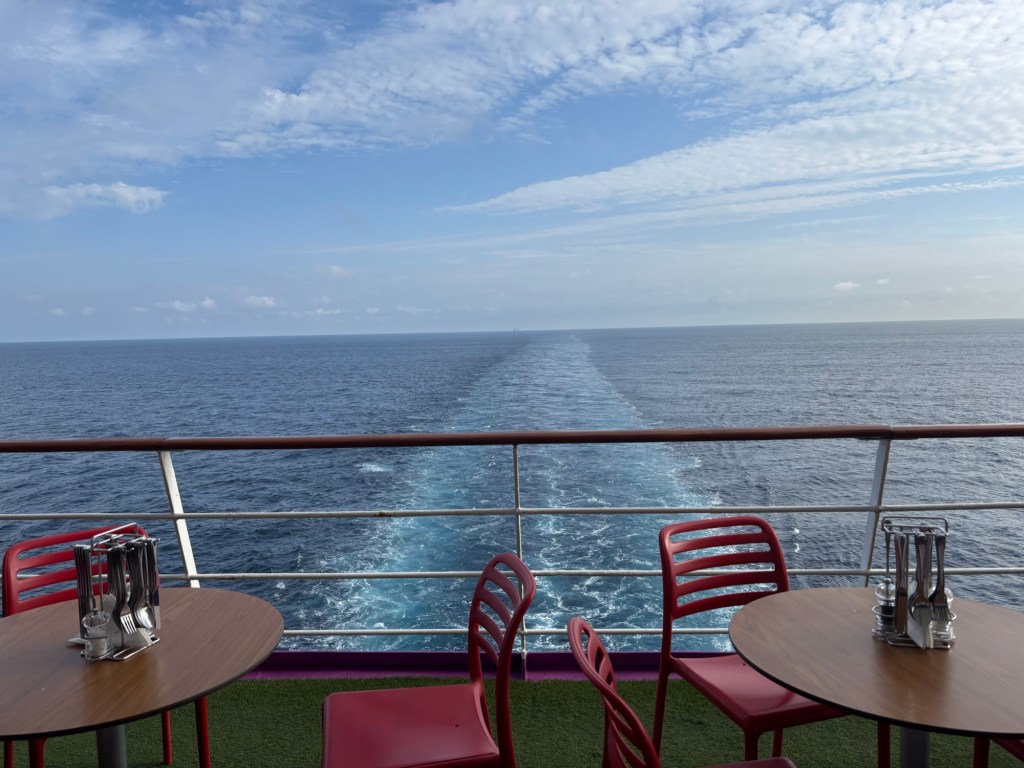
So, day 4 of my wee sojourn to France and Northern Spain and today is the first landfall after two days at sea.
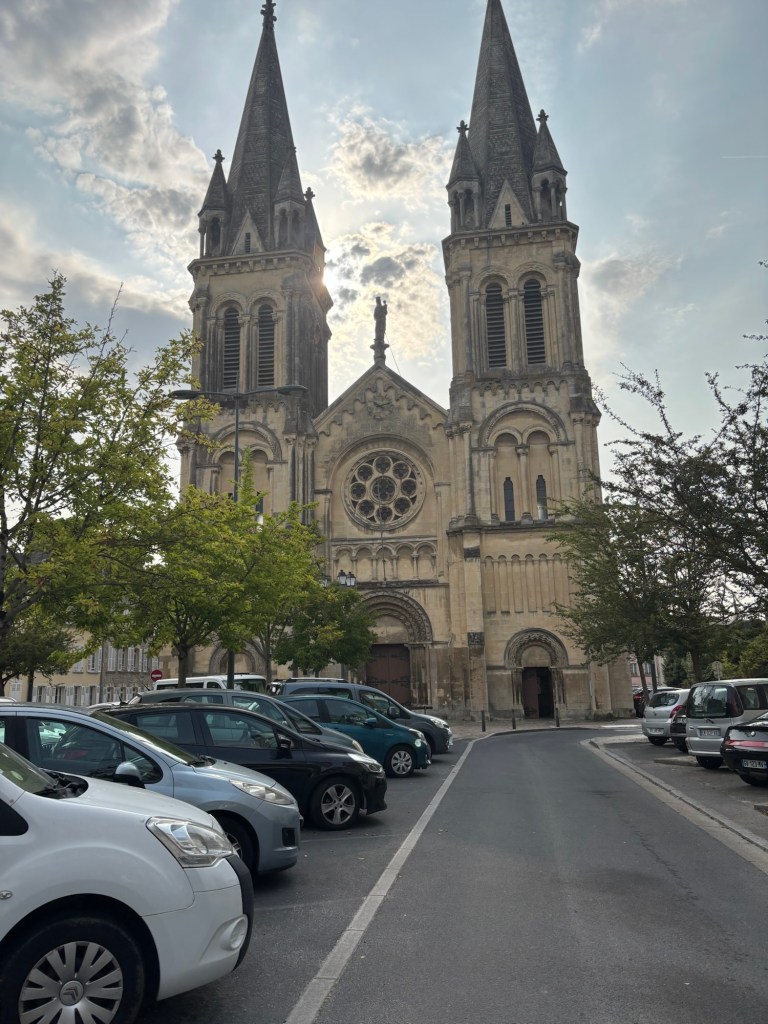
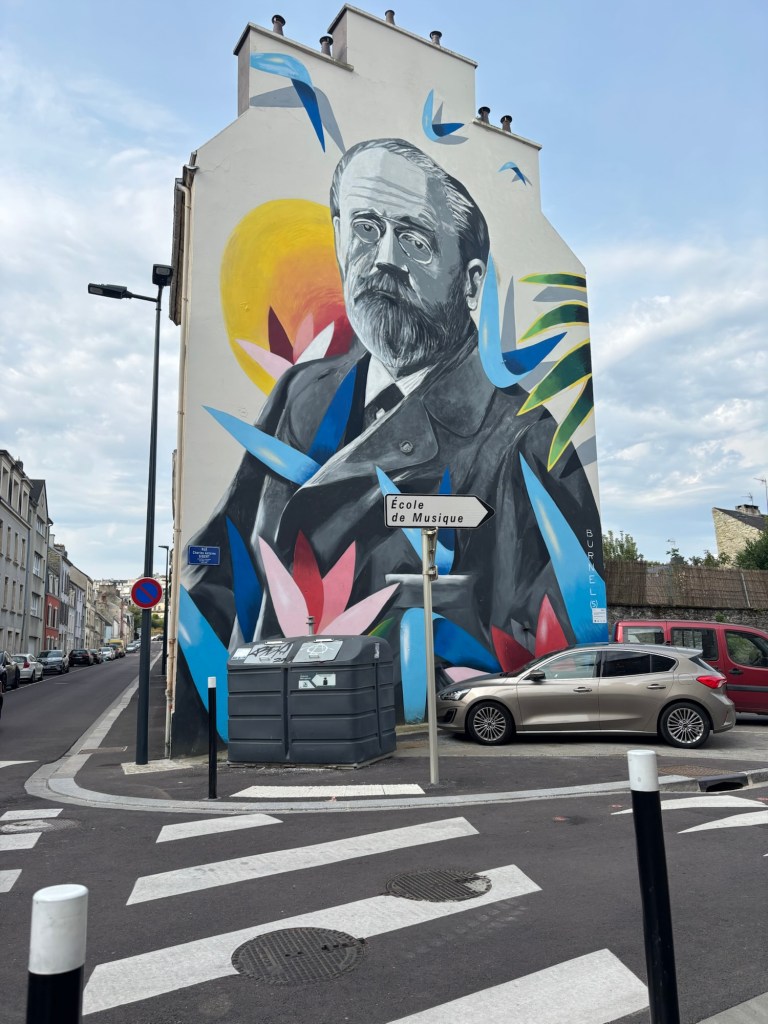
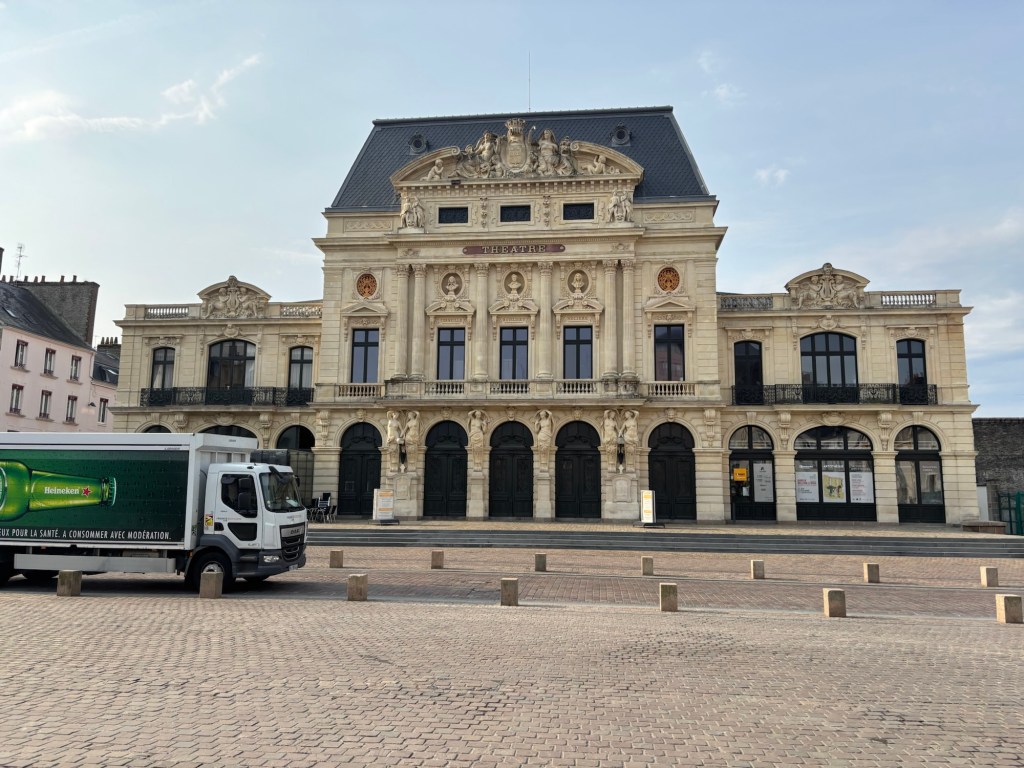
Today I am in Cherbourg , nice town in Normandy with close connections to the D Day landings an interesting maritime history in particular the Cunard line.

I decided to walk into the town instead of taking the shuttle from the cruise terminal saving four euros and giving me some exercise after two sedentary days at sea, and very limited disco activity.

Some nice wee squares with cafes’ which are very much the French way of life. Sitting having a morning capachino , having ordered, using my vast diction in the French language, learned during my short period of French lessons at secondary school.

The reason for the shortness of the lessons was the fact that the lady French teacher had a mental breakdown , quite possibly occasioned ( or at least not helped) by the fact that one of the guys in the class, who shall remain nameless, and was unnaturally well endowed, had a habit of producing his dick, for some unexplained reason, during French lessons.

Now speaking of the French language, I don’t know if anyone else has noticed but most French people speak very good English but you have to wrestle them to the ground and put them into a headlock to get them to admit it , so they always seem to appreciate an attempt to at least try to converse in French. Some if you might remember my experience in Monti Carlo whilst climbing a virtual cliff face with two pieces of luggage , looking for a hotel and finding every single person in Monti Carlo who could not speak English to ask directions from.

So, sitting here in a streetside cafe with a capachino, expertly ordered, “ une capachino sil vou ple” nay bather🙂
I have found that in a town like this with a range on non descript streets it can be an idea to look out for a church or cathedral where there is generally a range of cafes and small shops. Also generally and for some strange reason the nearby location of the local red light district. Amsterdam being a good example of this, not that I am in any way looking for the red light district. Not at this time of the morning 🙂

Last two days at sea and not realy a lot going on. Disco almost non existent, although there was an attempt at one last night and had a few dances.

So a few photos of the trip so far.

The World This Week From Mennies.

Friday 15 August 2025

Well, this is me on my travels once again. This time, a very last minute cruise out of Dundee. When I say last minute, I mean just that as I only booked it a couple of days ago.

It is not my favourite cruise line but it was available and the price was reasonable. I am on the Ambition, of the Ambasador line.

Been on this ship several times in the past and prefer the Ambience which is one of the other two ships in the line.

Just had dinner, which was quite nice and at a table of six, the other five from a strange foreign country situated to the South of Scotland, all speaking an almost intelligible language formed over milennia by collinisation of multiple races.

To be fair, they were all Geordies, who are almost Scots, or at least? They would like to be.

Putin and Trump

So, as the ship sails out from the mouth of the river Tay the world holds its breath for as I speak Vladimir Putin and Donald Trump have just shaken hands in Alaska.

They are there to discuss the surrender of NATO who have been fighting and loosing a war in Ukraine, for the last three years. When this war started I predicted that NATO would fight Russia to the last Ukrainian and that is more or less what has happened as Ukrain as now started conscripting women into the army.

The two leaders will probably come to an arrangement which will see the border of Ukraine reflecting the accession of the Donbas area and the Declaration of Independence, made by the people of Donbas back in 2014.

They might discuss the realise if the two Brittish colonels and the MI6 officer who were taken prisoner whilst directing attacks on Russia, by Spetsnaz team just over a week ago.

Trump, Will of course drive a hard bargain probably insisting on an option on the Kremlin to convert it into a hotel,

Anyway, interesting times ahead as I sail towards Cherbourg and contemplate the ships disco tonight.

Have a good weekend folks and remember:
It is the easiest thing to feel the pressure and fall back in line. It is sometimes hard to walk in the opposite direction but it is sometimes the true road, and you will know, because you will be following your conscience.
As long as you have that you will
Never walk alone.

The world this week From Mennies

Saturday 9 August 2025

The True Economic Effects of Large Import Tariffs: A Double-Edged Sword

In recent years, discussions surrounding import tariffs have surged, drawing attention to their implications for national economies. While proponents argue that tariffs protect domestic industries and create jobs, the reality is far more complex. This week, I delve into the true economic effects of imposing large import tariffs, shedding light on who really bears the burden of these taxes and the long-term consequences for businesses and consumers alike.

Who Pays the Price?

When a country implements substantial import tariffs, the immediate effect is a rise in the prices of imported goods. The question arises: who pays these import taxes? Initially, it might seem that the government benefits from the increased revenue generated by tariffs. However, the reality is that the costs are typically passed down the line.

Resellers, faced with higher prices for imported goods, are left with two choices: absorb the additional costs or increase prices for their customers. Absorbing costs may seem like a viable short-term strategy to maintain customer loyalty, but it can quickly erode profit margins, leading to financial instability. On the other hand, passing the costs onto consumers results in higher prices, which can dampen demand and lead to a decrease in sales volume.

The Impact on Manufacturing

For manufacturing companies reliant on imported components, the stakes are even higher. An increase in import tariffs can disrupt supply chains, leading to increased production costs and potential delays. For example, a manufacturer that requires specific parts from abroad may find that the added tariffs make those components prohibitively expensive. This situation can stifle innovation, as companies are forced to choose between raising prices or compromising on quality.

Moreover, manufacturers may be compelled to seek alternative sources for components, which isn’t always feasible. The sudden shift may result in a scramble for local suppliers, who may not have the capacity or capability to meet demand, further exacerbating the situation.

The Long-Term Upside

Despite the immediate challenges posed by import tariffs, there is a silver lining that could emerge in the long term. Facing increased costs, companies may be incentivized to explore local sourcing options. This shift not only supports domestic industries but can also foster innovation and job creation within the country.

As businesses begin to invest in local manufacturing enterprises, the demand for locally produced goods could surge. This shift has the potential to create a ripple effect, leading to the establishment of new suppliers and a more robust domestic supply chain. However, this transition is not without its challenges. Companies will need to ensure that all components are available locally, which may require significant upfront investment and time.

Ultimately, while import tariffs can serve as a temporary protective measure for domestic industries, the broader economic implications reveal a more intricate landscape. The burden of tariffs often falls on consumers, while manufacturers face increased costs and potential disruptions. However, the long-term benefits of fostering local production and supply chains could pave the way for a more resilient economy.

In conclusion, the imposition of large import tariffs presents a double-edged sword—a necessary tool for protectionism that can also lead to unintended consequences. As nations grapple with their economic strategies, the need for a balanced approach that considers both immediate impacts and future potential remains crucial.

So, when Donald Trump boasts of billions of dollars coming in to the country on the back of his tariffs, he is basically talking nonsense because, short term, there is not an additional cent actually coming in to the country, as all that is happening is initially, the government are collecting huge amounts of tax from American importers, a tax that has to be paid for by higher prices to consumers or lower profits from merchants.

As I said previously, there could be long term benefits through shifting manufacturing into the US, but meanwhile, every single country on the planet will be feverishly looking for more reliable trading partners and the long term affect of that is potentially disastrous.

Have a good weekend folks and remember: there are many injustices in this World and they make good traveling companions of the silent people

The World This Week From Mennies

Saturday 19 July 2026

The Complex Designations of Hamas

As tensions in the Middle East continue to spark heated debates, the designation of Hamas as either a terrorist organization or a legitimate resistance movement remains a focal point in international relations. This week, I delve into the varied perceptions of Hamas across the globe, the social services it provides, and the implications of these designations on the Palestinian struggle for autonomy.

Countries Designating Hamas: A Divided Perspective

The classification of Hamas varies significantly among nations. As of now, a number of countries, including the United States, Canada, and Israel, label Hamas explicitly as a terrorist organization. In stark contrast, many nations, particularly in the Global South, view Hamas as a legitimate resistance group fighting against occupation. This includes countries like Turkey and Iran, which openly support Hamas and advocate for Palestinian rights.

Currently, there are approximately 160 countries that do not designate Hamas as a terrorist group. These nations often argue that Hamas represents a segment of the Palestinian population and plays a crucial role in social services, including education, healthcare, and community support.

Social Services Provided by Hamas

Despite its controversial image, Hamas operates various social programs that address the needs of the Palestinian people. Reports indicate that Hamas runs over 1,000 social institutions, including schools, clinics, and charitable organizations. These services cater to over 1.5 million people in Gaza, providing essential healthcare, education, and welfare support. This dual role as both a political entity and a service provider complicates the international community’s perception of Hamas.

EU Countries and the Designation of Hamas

Within the European Union, the stance on Hamas is nuanced. While the EU as a whole designates Hamas as a terrorist organization, some member states only proscribe the military wing. Countries like the United Kingdom and Germany have taken this approach, differentiating between Hamas’s military operations and its political and social activities.

This distinction allows for ongoing dialogue with Hamas, emphasizing the necessity of addressing humanitarian needs while still condemning violence.

Support for Palestinian Freedom

A growing number of countries express support for Palestinian freedom, often opposing the classification of Hamas as a terrorist organization. Nations such as South Africa, Venezuela, and Cuba have been vocal advocates for Palestinian rights and self-determination. They argue that the struggle for freedom is a legitimate response to occupation and oppression, framing Hamas within this broader context of resistance.

Understanding Genocide

To contextualize the ongoing conflict, it is crucial to understand the term “genocide.” Defined by the United Nations, genocide involves acts committed with intent to destroy, in whole or in part, a national, ethnical, racial, or religious group. This includes killing members of the group, causing serious bodily or mental harm, and deliberately inflicting living conditions intended to destroy the group. The application of this term in the Israeli-Palestinian conflict shows that actions taken by Israel against Palestinians bear hallmarks of genocide.

Conclusion

The situation surrounding Hamas encapsulates a broader debate about resistance, terrorism, and the rights of people to self-determination. As the international community grapples with these complex definitions and designations, the plight of the Palestinian people remains at the forefront, demanding attention, understanding, and action.

In these challenging times, it becomes imperative to navigate the discourse with nuance, recognizing the multifaceted roles that groups like Hamas play in the ongoing struggle for freedom and justice.

The World This Week From Mennies

Saturday 14 May 2025

Analysing The Israel-Iran Conflict.

The ongoing conflict between Israel and Iran represents a high-stakes geopolitical struggle marked by historical grievances and military confrontations. In recent months, the situation has become increasingly volatile, with Israel launching unannounced attacks that have raised significant concerns about civilian safety and international law. This analysis aims to emphasize Israel’s role as the initiator of attacks and to contrast it with Iran’s measured responses.

A History of Initiation

Historically, Israel has taken a proactive stance against Iran, conducting military operations aimed at countering perceived threats. Since the Islamic Revolution in 1979, Israel has consistently viewed Iran as an existential threat, leading to a series of preemptive strikes against Iranian interests, particularly in Syria and Iraq. These operations are often justified by Israeli officials as necessary for national security, but they have frequently resulted in significant collateral damage.

The narrative that Israel is the aggressor is underscored by its long history of military actions targeting Iranian military installations. For instance, the Stuxnet cyberattack in 2010 was a covert operation aimed at crippling Iran’s nuclear program, and various airstrikes have targeted Iranian sites in Syria without prior warning. Such actions set a precedent for military engagement that often disregards the potential impact on civilian populations.

Recent Attacks on Civilian Infrastructure

The latest escalation in hostilities saw Israel conduct unannounced strikes targeting Iranian nuclear facilities, military sites, and residential buildings. These attacks have raised alarm bells internationally, as they have resulted in numerous civilian casualties and significant damage to infrastructure. The targeting of nuclear installations, particularly those situated near populated areas, poses a serious risk to civilian lives and contradicts international humanitarian norms. Such strikes not only endanger lives but also further escalate tensions in an already volatile region.

Reports indicate that these Israeli attacks have led to widespread destruction of homes and essential services, exacerbating the humanitarian crisis. With civilian casualties mounting, the international community has expressed concern over Israel’s military strategies and their implications for civilian safety.

Iran’s Response: A Calculated Retaliation

In response to these aggressive actions, Iran has sought to retaliate in a manner that minimizes civilian harm. When Iran launched counterattacks, it took significant precautions, such as clearing civilian air corridors and focusing solely on military targets. This strategic approach resulted in relatively minimal civilian casualties compared to the substantial losses incurred during Israeli strikes. It should be noted at this point, that Israel has deliberately located significant military complexes in heavily civilian populated areas.

Iran’s measured response highlights a stark contrast to Israel’s tactics. By prioritizing the safety of civilians, Iran aims to demonstrate a commitment to international norms, even in the face of provocation. This contrast raises critical questions about the ethics of military engagement and the responsibilities of nations in conflict.

Civilians Caught in the Crossfire

The plight of civilians in both nations underscores the tragic consequences of this ongoing conflict. While Israel justifies its military actions as defensive measures, the repercussions for non-combatants are devastating. Reports from various human rights organizations detail the severe impact on civilian lives in both Gaza and Iran, with families losing homes, loved ones, and access to basic necessities.

As the humanitarian crisis deepens, the need for accountability and dialogue becomes increasingly urgent. The international community must advocate for the protection of civilians and push for ceasefires that allow humanitarian aid to reach those in need.

Conclusion

In examining the current situation between Israel and Iran, it is clear that the dynamics of aggression and retaliation play a crucial role in shaping the conflict. Israel’s history of initiating attacks, particularly against civilian infrastructure, raises significant ethical concerns. In contrast, Iran’s calculated responses—focused on military targets and civilian protection—illustrate an alternative approach in a volatile environment.

As the world observes these developments, it is essential to promote dialogue, accountability, and a commitment to international humanitarian standards. Only through genuine efforts toward peace can we hope to alleviate the suffering of civilians caught in this enduring conflict and pave the way for a more stable and secure future in the region.

Bob Dylan: how many times must a man turn his head, pretending he just doesn’t see.

The answer my friend, is blown in the wind

The answer is bowing in the wind.

The World This Week From Mennies

Saturday 31 May 2025

A perspective on the Russia/ Ukraine war

In the ever-evolving saga of the Russia-Ukraine war, understanding the historical context is crucial. This week, I delve into a pivotal moment from the past that many argue set the stage for the current tensions: the agreement between then-U.S. Secretary of State James Baker and Soviet leader Mikhail Gorbachev regarding NATO expansion.

The Baker-Gorbachev Agreement: A Broken Promise?

In the early 1990s, amidst the dissolution of the Soviet Union, Baker assured Gorbachev that NATO would not expand eastward if the USSR consented to the reunification of Germany. This understanding, often described as a verbal agreement, is viewed by many in Russia as a cornerstone of post-Cold War diplomacy. The essence of this compact was that, in exchange for allowing a unified Germany to remain within the Western sphere, the West would respect Russia’s sphere of influence and not encroach upon its borders through NATO expansion.

Fast forward to the present, and the reality seems starkly different. NATO has not only expanded but has encroached upon several former Soviet states, leading to a perception of betrayal and escalating tensions. From the Russian perspective, this perceived violation of trust has fueled a sense of insecurity that directly correlates with the West’s increasing military presence near its borders.

The Ukraine Crisis: A Geopolitical Flashpoint

The conflict in Ukraine, ignited by the 2014 Maidan protests and subsequent annexation of Crimea, can be traced back to these historical grievances. The West’s support for Ukraine’s pivot towards NATO and away from Russian influence was seen not merely as a political shift but as an existential threat. For many in Russia, Ukraine is not just a neighbor; it’s a historically and culturally intertwined nation. The loss of Ukraine to Western influence is viewed as a strategic loss that could embolden NATO further.

The Russian narrative emphasizes that the West has consistently disregarded its security concerns, viewing the Eastward expansion of NATO as a direct affront. The military buildup in Eastern Europe and the rhetoric surrounding Ukraine have only intensified these feelings. Moscow argues that its actions in Ukraine are a defensive measure, designed to protect its sovereignty and national interests against what it perceives as encroachment by NATO.

The Maidan Square Incidents: A Turning Point

The Maidan Square protests in late 2013 marked a pivotal moment in Ukraine’s history. Initially, the protests began as a response to then-President Viktor Yanukovych’s decision to suspend an association agreement with the European Union, favoring closer ties with Russia instead. However, the protests quickly escalated into a broader movement against government corruption and a desire for greater democratic reforms.

As the protests intensified, they took a violent turn in early 2014, leading to the ousting of Yanukovych. For many in Russia, the events surrounding Maidan were not merely a popular uprising but a Western-backed coup that destabilized Ukraine and threatened Russian interests. The perception is that the West sought to leverage discontent to install a government more aligned with NATO and EU interests, further encroaching on Russia’s sphere of influence.

The Donbas Declaration: A Cry for Independence

In the wake of the Maidan protests and the new government’s pivot towards the West, unrest grew in Eastern Ukraine, particularly in the Donbas region, which comprises Donetsk and Luhansk. In April 2014, following a controversial referendum, the people of Donbas declared independence from Ukraine, citing fears of discrimination and hostility from the new government in Kyiv. This declaration was seen by many in Russia as a legitimate expression of self-determination, reflecting the region’s cultural and historical ties to Russia.

The Russian perspective emphasizes that the Donbas population, predominantly Russian-speaking, felt marginalized and threatened by the nationalist sentiment that had emerged in Ukraine post-Maidan. This narrative underlines the belief that the conflict is not merely a territorial dispute but a struggle for the rights and identities of people in the region.

The Azov Battalion: Controversial Forces in the Conflict

A significant element of the conflict has been the involvement of various militia groups, notably the Azov Battalion. Formed in 2014 as a volunteer unit to combat separatists in Donbas, the Azov Battalion has faced widespread criticism for its alleged connections to far-right ideologies and neo-Nazi elements. This association has been leveraged by Russian state media to frame the conflict in Ukraine as not just a struggle against separatism but against a resurgent fascism.

The Azov Battalion’s symbolism and rhetoric have raised concerns about the rise of nationalism in Ukraine. Russian narratives often emphasize the battalion’s extremist affiliations to portray the conflict as one where the very essence of Russian identity and security is under threat. This portrayal serves to galvanize domestic support in Russia for military actions in Ukraine, framing them as a necessary defense against extremist ideologies.

Conclusion

As the conflict in Ukraine continues to unfold, it is crucial to understand the multifaceted historical and political dimensions that have led to the current situation. The Maidan Square incidents, the declaration of independence by the people of Donbas, and the controversial role of groups like the Azov Battalion all contribute to a complex narrative that shapes the Russian perspective on the war.

From Moscow’s viewpoint, the West’s interference in Ukraine has not only destabilised a neighbouring country but has also threatened the security of Russia itself. Recognising these historical grievances and the diverse voices within Ukraine is essential for any meaningful dialogue aimed at achieving peace and stability. As I reflect on this week’s developments, the hope remains that a resolution will emerge that honours the complexities of history while paving the way for a peaceful future for all involved.

To all my friends, this troubled world over, I wish you a pleasant and peaceful weekend.
Bob