

Saturday 17 May 2025.
Gaza, a genocide, while the West watches and indeed participates in.
As we navigate through the complexities of our world, one region continues to capture global attention and concern: Gaza. The situation there is not just a recent development; it is the culmination of decades of conflict, oppression, and suffering that many argue constitutes a creeping genocide, particularly since Israel’s establishment in 1948. This week, I delve deeper into the historical context and the current humanitarian crisis that has left the people of Gaza in dire straits.
The World This Week From Mennies: A Reflection on Gaza
A Historical Perspective
To understand the present, we must first revisit the past. In 1947, the United Nations proposed a partition plan aimed at resolving the ongoing conflict between Jewish and Arab populations in Palestine. This plan was met with mixed reactions, and ultimately, in 1948, Israel declared independence, leading to the first Arab-Israeli war. The war resulted in significant territorial gains for Israel and the displacement of hundreds of thousands of Palestinians, an event referred to as the Nakba, or “catastrophe.”
Since then, the Palestinian people have faced a series of challenges: dispossession of land, restrictions on movement, and military occupation. The establishment of settlements in the West Bank, the blockade of Gaza, and the perpetual state of conflict have all contributed to a systematic erosion of Palestinian rights and dignity. Many activists and scholars argue that what has transpired over the decades represents a slow but deliberate attempt to erase Palestinian identity and existence—a creeping genocide.
Current Conditions in Gaza
Fast forward to today, and the situation in Gaza is nothing short of catastrophic. The blockade imposed by Israel since 2007 has turned this small strip of land into one of the most densely populated and impoverished areas in the world. Reports from various humanitarian organizations highlight alarming conditions: chronic shortages of food, clean water, and essential medical supplies. The infrastructure is crumbling, and the economy is in tatters, with unemployment rates soaring.
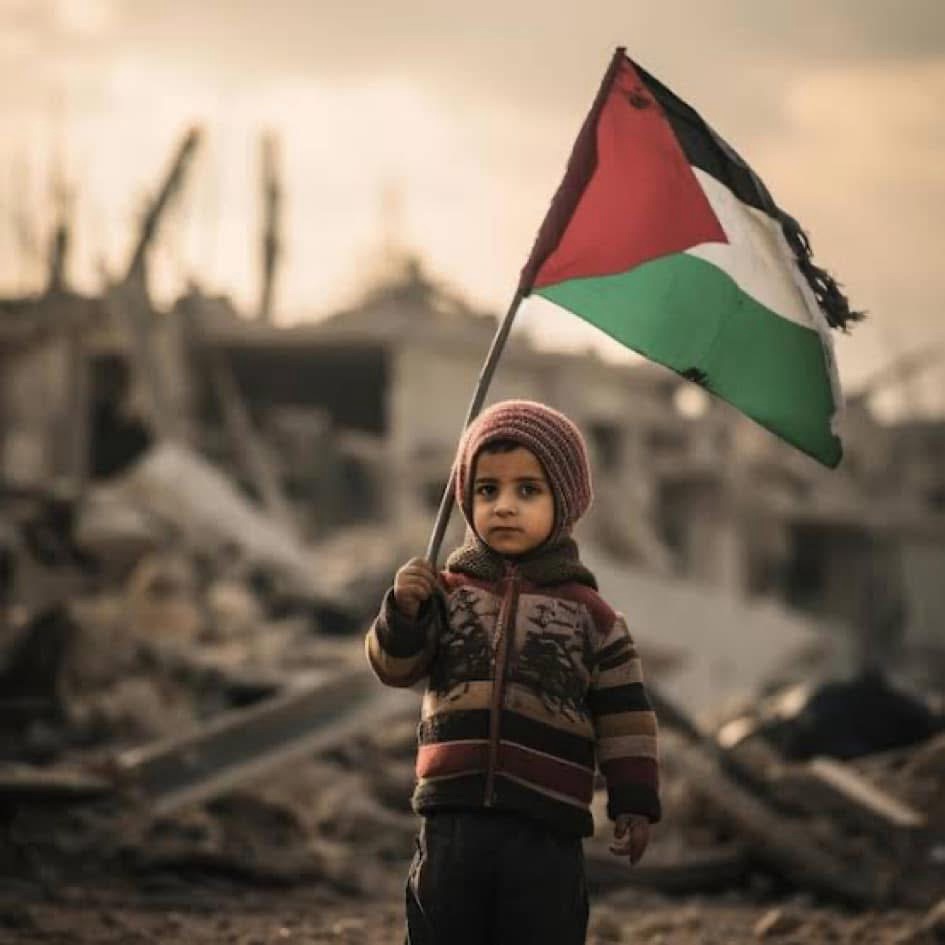
As we look around, we see the harrowing images of families struggling to survive amidst famine-like conditions. Children, who should be playing and learning, are instead facing malnutrition and a lack of basic healthcare. The psychological toll of living under constant threat and instability cannot be overstated. Many people in Gaza have known little else but hardship and despair.
The International Response
Despite the overwhelming evidence of human suffering, the international response has often been tepid. While there are calls for humanitarian aid and a ceasefire, the underlying political issues remain unresolved. The narrative surrounding Gaza is frequently polarized, with many failing to grasp the historical injustices that have led to the current crisis.
In recent weeks, protests have erupted worldwide, demanding an end to the blockade and calling for justice for the Palestinian people. Activists are urging governments to take a more active role in advocating for human rights, emphasizing that the plight of Gaza cannot be overlooked any longer.
Looking Forward
As I reflect on the situation in Gaza this week, it’s crucial to recognise the importance of awareness and advocacy. The history of the region is complex, and the challenges faced by its people are immense. However, as global citizens, we are responsible for amplifying their voices and pushing for meaningful change.
In conclusion, the situation in Gaza is a stark reminder of the consequences of historical injustices and the urgent need for collective action. It is a call to conscience for all of us to stand in solidarity with those who suffer, to demand accountability, and to strive for a future where peace and justice can prevail.
As we move forward, let us not forget the lessons of the past and the cries for help echoing from Gaza. The world is watching, and it is up to us to ensure that these voices are heard and that change is not just hoped for, but actively pursued.

 Bob Costello